
Why Separating Your Laundry Matters: The Hidden Risks of Mixing Everything in One Service Wash
24th November 2025
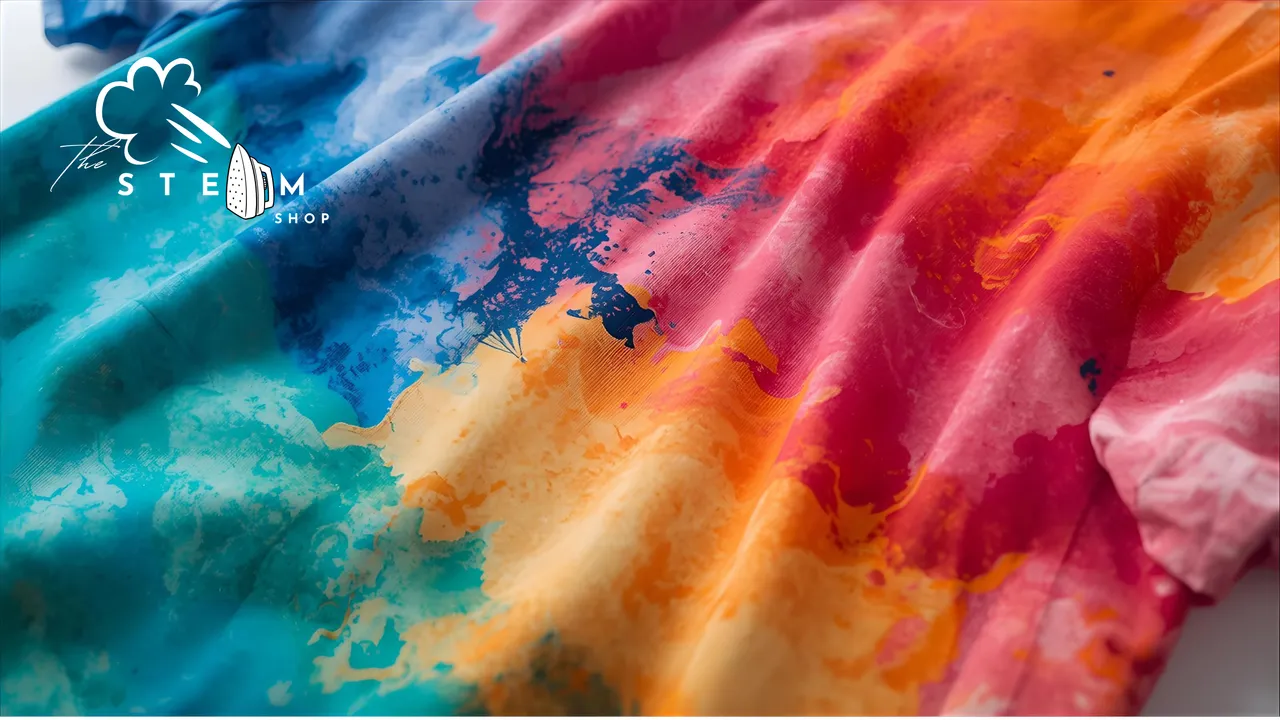
Colour Transfer: How It Happens and Why It’s Hard to Reverse
We’ve all had that "heart-sink" moment. You open the washing machine door, expecting a crisp load of laundry, only to find that your favorite white t-shirt has turned a murky shade of "accidental salmon" or a depressing slate grey.
In the world of laundry, colour transfer is the ultimate betrayal. It’s quick, it’s quiet, and—most frustratingly—it’s incredibly hard to fix once the damage is done.
If you’ve ever wondered why your clothes seem to be swapping colours behind your back, or why we at The Steam Shop ask you to do a bit of pre-sorting, here is the lowdown on the science of the "bleed" and how to keep your wardrobe looking the way it was designed.
The Science of the "Bleed": How it happens
Colour transfer isn't just bad luck; it’s a chemical reaction. When you wash clothes, three things conspire to pull dye out of one garment and push it into another:
-
Dye Saturation: Newer clothes (especially dark denim, bright reds, or deep purples) often have "excess" dye that hasn't been fully locked into the fibres.
-
Heat & Water: Hot water opens up the "pores" of the fabric, making it easier for those dye molecules to escape into the water.
-
The "Sponge" Effect: Natural fibres like cotton are incredibly thirsty. If there is loose dye floating around in the drum, your white cotton shirts will act like a sponge, soaking it up instantly.
Why is it so hard to reverse? Once that "stray" dye has settled into a new fabric and gone through a drying cycle, it’s effectively "re-dyed" the garment. Trying to get it out usually requires harsh chemicals that can weaken the fabric or leave it looking patchy.
It’s Not Just About Colour (The Fabric Factor)
Most people focus on "lights vs. darks," but professional-standard laundry is also about fabric compatibility. Washing everything in one big "mixed" load is a bit like a "one size fits all" approach—it rarely fits anyone perfectly.
-
The Lint Bomb: If you wash fluffy towels with black leggings, you’ll spend the next three days with a lint roller.
-
The Rough & Tumble: Heavy jeans with metal zips rubbing against a delicate silk blouse in a high-speed spin is a recipe for snags and holes.
-
The Soil Levels: Your mud-covered football kit needs a much tougher wash than the office shirt you wore for four hours. Washing them together means the dirt from the kit can actually "redeposit" onto the cleaner clothes.
The Steam Shop Policy: Why We Wash Exactly What You Give Us
One of the most frequent questions we get at our Glasgow hub is: "Do you sort my laundry for me?"
The answer is: No—and there’s a very good reason for that.
At The Steam Shop, a Service Wash means we process your bag exactly as it arrives. We don’t separate your lights from your darks or your towels from your silks. Here’s why we stick to this rule:
-
Your Preference Matters: Some people don't mind mixing colours at 30°C; others would find it a crime. We don’t want to make assumptions about your clothes that you wouldn't make yourself.
-
Zero "Guesswork": We never want to be in a position where we "guess" if a light-grey top belongs in the white load or the dark load. By keeping your bag together, there are no "missing" items or mis-sorted mishaps.
-
Transparency & Fair Pricing: Our service wash is priced by the bag/weight. If we spent an hour sorting every individual sock into different machines, the cost for you would skyrocket.
-
Efficiency: Your entire load stays in one dedicated machine. It’s never mixed with anyone else’s laundry, ensuring total hygiene and traceability.
How to Prepare Your Laundry Like a Pro
If you want the best results from your Glasgow laundry service, the secret is all in the prep. It only takes two minutes, but it’ll save your clothes in the long run.
-
✔️ The "Two-Bag" System: The simplest way to do it. Have one bag for your whites and lights, and another for your darks and denim. We wash each bag separately—no questions asked.
-
✔️ Group Your "Heavies": Put your towels and bedding in their own bag. They need a different drying time and temperature than your t-shirts.
-
✔️ Zip It Up: Close all zips and hooks before you bag them. This stops your jeans from "attacking" your thinner t-shirts during the spin.
-
✔️ Check the "New" Items: If you’ve just bought a pair of dark indigo jeans or a bright red hoodie, wash them at home first or put them in a bag on their own. They are the biggest "bleed" culprits.
Final Thoughts: A Little Prep Goes a Long Way
A service wash is designed to be the ultimate convenience—it’s about getting your time back so you can enjoy your weekend in Glasgow instead of being tethered to a washing machine.
By taking two minutes to separate your "Salmon-risk" whites from your "Deep-Blue" jeans before we pick them up, you ensure that your clothes come back not just clean, but in the same colour they started.
Got a mountain of mixed laundry you’re scared to tackle? Separate them into a couple of bags and let us handle the rest. We’ll get them washed, dried, and folded to a professional standard.
Latest Blog Posts
Drop Off Early to Avoid Disappointment 20 Percent Off Saturdays at The Steam Shop
Starts Saturday 19th September! Get 20% off service wash, dry & fold in-store for uni and college students every Saturday until the end of term at The Steam Shop on Hyndland Road. Drop off early!
17th September 2026
Why Supporting Small Businesses Really Matters
Discover why supporting small local businesses matters, from keeping money in the local community to building real customer relationships. See why choosing independent businesses like The Steam Shop on Hyndland Road makes a difference.
10th September 2026
10 Things to Do in Hyndland in 45 Minutes
Make laundry day effortless! While we take care of your washing, drying, and dry cleaning, discover 10 quick things to do on Hyndland Road, Glasgow.
8th September 2026
The Great Fabric Softener Myth Is It Ruining Your Clothes
Discover why fabric softener may be damaging your clothes, towels and gymwear. Learn the truth about softener and better laundry care from The Steam Shop, Glasgow’s local laundry and dry cleaning experts.
2nd September 2026
10% Off Your Pre-Loved Finds at The Steam Shop
Save 10% on dry cleaning for your Vinted and charity shop finds at The Steam Shop on Hyndland Road, Glasgow. Refresh pre-loved clothes, remove odours, and make second-hand style feel brand new. Visit us or book collection today!
28th August 2026