
How to Get Whites White Again Without Ruining Them
20th January 2026
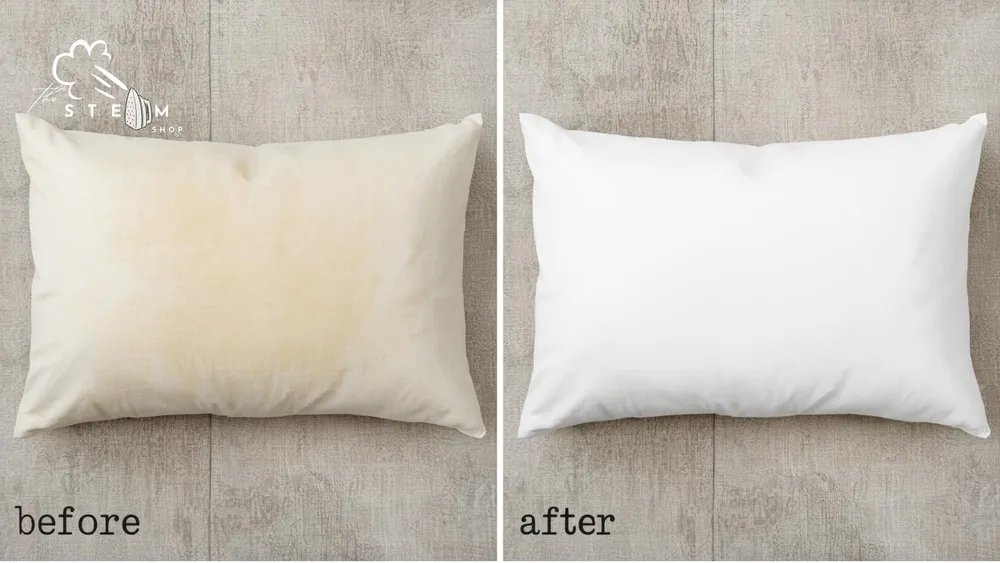
We’ve all had that moment of disappointment. You pull your favorite white t-shirt or those expensive Egyptian cotton sheets out of the machine, and instead of that crisp, "new" brightness, they’re looking a bit… sad. Maybe a bit grey, maybe a bit yellow under the arms, or just generally "off."
In Glasgow, we’re actually quite lucky because our water is naturally soft, which usually helps laundry. But even with the best water in the world, whites are notorious for losing their luster.
If your whites are starting to look like a rainy Tuesday afternoon in the Necropolis, don’t give up on them just yet. Here is why it happens and—more importantly—how you can get that brightness back without ruining the fabric.
The Mystery of the "Fading White": Why does it happen?
It feels like a slow, inevitable process, but whites don't just "go grey" for no reason. It’s usually down to one of these five culprits:
1. The "Clean" Residue (Detergent & Softener Build-up) It’s the biggest laundry myth out there: "More detergent = cleaner clothes." In reality, if you use too much, your machine can’t rinse it all away. That leftover soap creates a thin, sticky film on the fibres that acts like a magnet for dirt and skin cells. Over time, that film turns grey or dull.
2. The "Light Colour" Betrayal We’ve all been tempted to throw a light grey sock or a beige hoodie in with the whites to save time. Don’t do it. Even if a garment doesn't visibly "bleed" pink or blue, it releases tiny amounts of dye that settle into your white fabrics, slowly turning them a murky grey.
3. Body Chemistry (Yellowing) That yellowing around collars and underarms isn't just sweat. it’s a chemical reaction between your body oils, your deodorant/antiperspirant, and the laundry detergent. If you don't treat these areas, the "gunk" builds up and becomes a permanent stain.
4. Old Pipes & Machine Health While Glasgow's water is soft, many of us live in older tenements with aging pipes. If your washing machine isn't cleaned regularly, internal limescale or "scrud" (waxy detergent build-up) can redeposit onto your whites.
5. The Heat Trap A common mistake is thinking a "boil wash" is the only way to get whites clean. High heat can actually weaken synthetic fibres and "set" organic stains (like protein-based sweat or blood), making them nearly impossible to remove later.
Your Step-by-Step Guide to Brighter Whites
If you want your whites to actually stay white, you need a system. Here is the pro-standard routine:
Step 1: The "Strictly Whites" Rule
This is non-negotiable. If you want bright whites, they must be washed only with other whites. No creams, no "very light" greys, and definitely no "safe" pastels. Keep a separate basket for:
-
White underwear and socks
-
White t-shirts and shirts
-
White towels and bedding
Step 2: Read the "Secret Code" (The Care Label)
Before you reach for the heavy-duty stain removers, check the tag. If it's a cotton-polyester blend, it might handle a different temperature than 100% organic cotton. Knowing your fabric prevents you from accidentally shrinking or thinning the material.
Step 3: Give Your Clothes Room to Breathe
If you cram the drum full, the water and detergent can't circulate. Instead of the dirt being washed away, it just gets pushed from one shirt to the next. For whites, "half-load" or "three-quarters full" is the sweet spot.
Step 4: Temperature Control
-
30–40°C: Perfect for everyday t-shirts and gym gear. It’s gentle on the fibres but enough to shift daily dirt.
-
60°C: Use this for towels and bedding to kill bacteria, provided the label says it's okay.
Step 5: Detergent Discipline
Use exactly what is recommended on the bottle—or even slightly less if you have soft water. If you see suds still clinging to the window at the end of the cycle, you’re using too much.
The "Danger Zone": What NOT to do
-
❌ Don't pour bleach directly on the fabric: Liquid bleach is incredibly harsh. It can actually cause a chemical reaction that turns whites orange or yellow, and it eats away at the fibres until they get holes.
-
❌ Never mix chemicals: Mixing bleach with ammonia or other cleaners is genuinely dangerous and creates toxic fumes. Keep it simple.
-
❌ Watch out for "Optical Brighteners": Some cheap whitening products work by coating the fabric in a blue dye that looks white to the eye. On some fabrics, this can look patchy or ruin the texture.
How to keep the brightness for longer
-
Treat stains immediately: Don't let that coffee spill sit in the hamper for a week.
-
Air dry in the sun (if you can find any!): UV rays are nature's bleach. If we ever get a sunny Glasgow afternoon, hanging your whites outside is the best way to brighten them naturally.
-
Avoid "Multiple Wearings": We all love a white hoodie, but the more body oils it absorbs before a wash, the harder it is to get that "true white" back.
When to call in the professionals
Sometimes, a home machine just isn't up to the task of reviving a greyed-out duvet cover or a yellowing dress shirt.
At The Steam Shop, we have access to professional-grade brightening agents and temperature-controlled cycles that go beyond what a standard kitchen machine can do. If you have an expensive item or a pile of bedding that's lost its "hotel-crisp" feel, we can assess it and give it the best possible chance of recovery.
Want your whites to look like new again? Book a pickup and let us handle the "brightening" for you. We’ll return your items fresh, folded, and—most importantly—white.
Latest Blog Posts
Drop Off Early to Avoid Disappointment 20 Percent Off Saturdays at The Steam Shop
Starts Saturday 19th September! Get 20% off service wash, dry & fold in-store for uni and college students every Saturday until the end of term at The Steam Shop on Hyndland Road. Drop off early!
17th September 2026
Why Supporting Small Businesses Really Matters
Discover why supporting small local businesses matters, from keeping money in the local community to building real customer relationships. See why choosing independent businesses like The Steam Shop on Hyndland Road makes a difference.
10th September 2026
10 Things to Do in Hyndland in 45 Minutes
Make laundry day effortless! While we take care of your washing, drying, and dry cleaning, discover 10 quick things to do on Hyndland Road, Glasgow.
8th September 2026
The Great Fabric Softener Myth Is It Ruining Your Clothes
Discover why fabric softener may be damaging your clothes, towels and gymwear. Learn the truth about softener and better laundry care from The Steam Shop, Glasgow’s local laundry and dry cleaning experts.
2nd September 2026
10% Off Your Pre-Loved Finds at The Steam Shop
Save 10% on dry cleaning for your Vinted and charity shop finds at The Steam Shop on Hyndland Road, Glasgow. Refresh pre-loved clothes, remove odours, and make second-hand style feel brand new. Visit us or book collection today!
28th August 2026